
Ultimate Product Selection For Disability Remodeling Projects
A curated list of essential products that help remodelers deliver accessible and user-friendly living spaces for clients with disabilities.
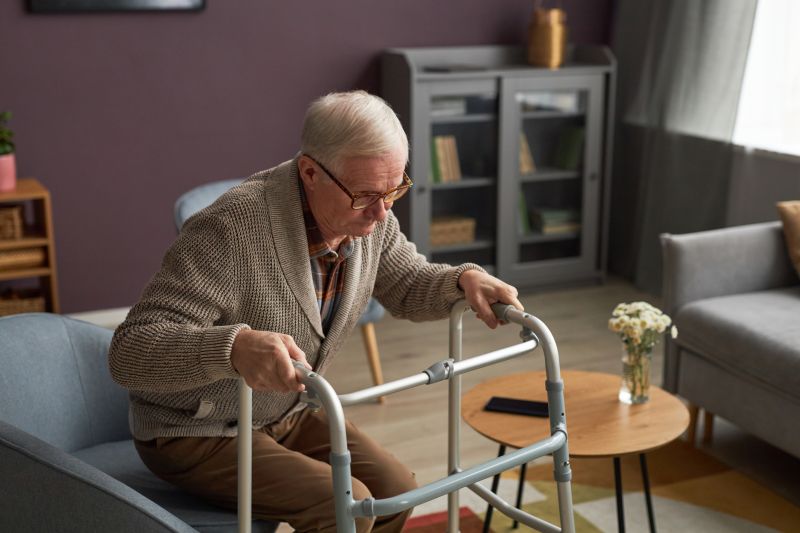 Disability remodeling services focus on adapting living spaces to enhance accessibility, safety, and independence for individuals with mobility challenges or other disabilities. These modifications can include a wide range of products designed to accommodate specific needs, from entryway adjustments to bathroom modifications and kitchen adaptations. Implementing these changes can significantly improve daily living experiences, making environments more navigable and reducing potential hazards. When selecting products for disability remodeling, it is essential to consider the unique requirements of the individual, the layout of the space, and the overall safety features of each product.
Types of Products For Disability Remodeling Service
Wheelchair Ramps
Inclined surfaces designed to provide smooth access over steps or uneven terrain, facilitating wheelchair mobility.
Walk-in Bathtubs
Specialized bathtubs with low thresholds and optional seating to improve safety and accessibility during bathing.
Roll-in Showers
Accessible shower stalls that allow wheelchair entry, often featuring low or no thresholds and grab bars.
Adjustable Grab Bars
Support bars that can be repositioned for safety and comfort in bathrooms and other areas.
Lever-Style Door Handles
Easier-to-operate door hardware that reduces the effort needed to open doors, ideal for limited hand strength.
Lowered Countertops
Kitchen and bathroom surfaces set at accessible heights for wheelchair users.
Stair Lifts
Mechanical devices that assist users in ascending and descending stairs safely.
Elevating Toilet Seats
Seats that add height to standard toilets, making transfers easier and safer.
Non-slip Flooring
Flooring materials designed to reduce slips and falls, especially in wet areas.
Automatic Door Openers
Devices that enable hands-free door operation, enhancing independence.
Accessible Kitchen Cabinets
Lowered or pull-out cabinets that improve reachability for wheelchair users.
Transfer Aids
Devices such as transfer boards and assist bars that facilitate safe movement between surfaces.
Visual and Audible Alerts
Devices that provide sensory cues for safety, such as smoke alarms with visual indicators.
Doorway Wideners
Structural modifications to enlarge door openings for wheelchair access.
Ceiling Lifts
Overhead hoists that assist in transferring individuals between beds and chairs.
Popular Choices
Portable and permanent ramps are commonly used to improve entryway accessibility.
These tubs are frequently chosen for safer bathing experiences.
Accessible shower options are popular for their ease of use.
Widely installed for added bathroom safety.
Preferred for ease of operation, especially for limited hand strength.
A common modification to improve kitchen accessibility.
Often recommended for multi-level homes.
Popular for making toilet transfers easier.
A key safety feature in bathrooms and kitchens.
Increasingly used to enhance independence.
Chosen for improved reach and usability.
Commonly used to assist with safe mobility.
Frequently installed for safety enhancements.
Often added to accommodate wheelchairs.
Selected for safe transfers in larger spaces.
Remodeling projects often involve a combination of structural changes and the addition of assistive devices. For example, installing ramps instead of stairs can facilitate wheelchair access, while grab bars and handrails can provide stability in critical areas like bathrooms and hallways. It is also important to select products that are durable, easy to use, and compliant with relevant safety standards. Proper planning and consultation with professionals can help ensure that the modifications are both functional and compliant with local building codes.
The goal of disability remodeling is to create an environment that promotes independence and comfort. This involves thoughtful selection of products that blend seamlessly into the existing space while providing the necessary support. Whether it’s a simple threshold ramp or a comprehensive bathroom overhaul, the right products can make a substantial difference in daily life. It’s advisable to explore a variety of options, considering future needs and potential upgrades, to ensure the remodeled space remains adaptable and safe over time.
Key Buying Considerations
- Assess the specific mobility and safety needs of the user.
- Ensure products are compliant with local safety and building codes.
- Consider the space available for modifications to avoid overcrowding.
- Choose durable, corrosion-resistant materials for wet areas.
- Prioritize ease of use, including ergonomic design and simple operation.
- Evaluate the installation requirements and whether professional help is needed.
- Think about future needs and whether the products are adaptable.
- Check for compatibility with existing fixtures and furniture.
- Review safety features such as non-slip surfaces and secure mounting options.
- Consider aesthetic integration to maintain the overall look of the space.
- Determine the maintenance requirements and ease of cleaning.
- Assess the weight capacity and stability of support devices.
- Look for products with good user reviews and safety certifications.
- Plan for adequate lighting and visibility around modifications.
- Budget for both initial installation and ongoing maintenance costs.
This page contains affiliate links. We may earn a commission from qualifying purchases to help support our content.